Empowering Lives: A Comprehensive Guide to Cancer Care, Support, and Innovative Treatments
In the world of oncology, the journey through a carcinoma or the complexities of a neoplasm can feel overwhelming. Every day, millions face the grim reality of malignancy, but what if I told you there’s a powerful ally in this battle that often goes unnoticed? Patient empowerment is redefining cancer care, allowing individuals to reclaim control over their health and wellness. Imagine walking into a doctor's office not just as a passive recipient of care, but as an informed and active participant in your own treatment plan. Isn’t that a game-changer?
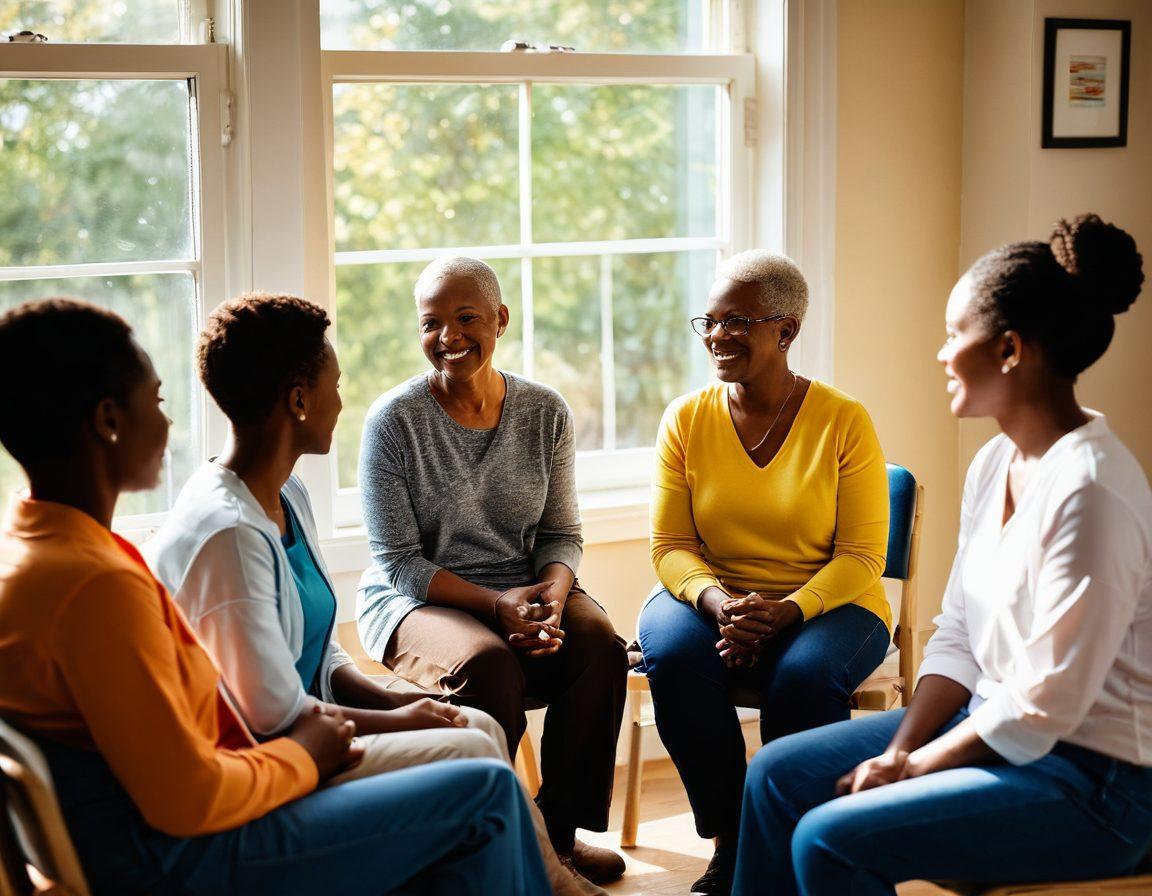
Empowering patients means more than just understanding disease management; it’s about fostering a community where support easily flows. Think about the last time you faced an uphill battle. Were you alone? Or did you have a network of friends, family, or even fellow survivors to help carry the weight? The survivor network is crucial in oncology, providing invaluable resources and emotional support to those undergoing treatment. Public awareness and advocacy play significant roles in this dynamic, shedding light on the need for holistic approaches in cancer education. Isn’t it time we leverage these communities to enhance our wellness visits?
The world of cancer treatment is evolving, and innovative treatments are emerging at a breakneck pace. Clinical trials are not just for the 'pioneers'; they represent hope for many. But how can you, as a patient, navigate the myriad of therapeutics? How do you know which treatment cart to hop on? Getting involved is essential, and understanding the relevance of scientific research in shaping patient care allows for a more informed and proactive approach. It invites the question, how can we encourage more dialogue about these trials, ensuring that patients feel empowered rather than overwhelmed?
Beyond treatments and therapies, the psychological impact of a cancer diagnosis can be profound. Mental health needs to be at the forefront of our discussions surrounding patient support. It's essential to ask ourselves: what are the resources available for caregivers who often shoulder the burden of caring for loved ones? Actively engaging in symptom relief strategies, nutrition in cancer care, and stress management can be vital for recovery. After all, a well-rounded approach combined with community resources will only serve to strengthen our care systems, promoting a healthier lifestyle for patients and those who support them.
Finally, let's talk about healthcare policy. How accessible are screening and prevention programs in your community? Are we advocating for necessary changes to ensure everyone has access to quality care? Patient empowerment sits at the intersection of advocacy and education, urging us to not only take charge of our health but also to push for systemic changes. Together, we can create a comprehensive framework that empowers individuals and enhances their cancer journey. So, what steps are you willing to take to champion these changes in your community?
Innovative Treatments and Holistic Approaches: Navigating Cancer Wellness
Navigating the complex landscape of cancer wellness can feel like walking through a maze. With so many twists and turns, it's easy to feel lost. Imagine facing a diagnosis that poses not just a medical challenge but an emotional and mental battle as well. The reality is that cancer, whether it’s carcinoma, neoplasm, or another malignancy, affects more than just the body. It's intertwined with one's sense of self, hope, and community. So, how can innovative treatments and holistic approaches pave the way for improved patient care?
When it comes to cancer care, knowledge is empowerment. In oncology, new therapeutics are constantly emerging, each backed by rigorous scientific research and clinical trials. The integration of these innovative treatments is reshaping how we approach disease management. But wouldn’t we all agree that the journey doesn’t stop at medical interventions? It also involves mental health, patient support, and even nutrition in cancer care. As we lift the veil on these crucial elements, we begin to see a comprehensive picture of wellness that resonates with every warrior facing cancer.
Let’s dive deep into this narrative of resilience. Picture a community where cancer education flourishes, where public awareness and advocacy efforts coalesce to create a support system for patients and their caregivers. Imagine patient empowerment flowing through every conversation—whether sharing experiences in a survivor network or discussing treatment options with healthcare providers. Does this sound like a dream, or is it quite within reach? With every story of survival and each advocacy effort, we redefine what it means to navigate cancer wellness.
Holistic approaches to cancer care are turning the tides. It’s not just about combating the tumor or the malignancy. Instead, it encompasses managing symptoms, improving nutrition in cancer, and offering caregiver support. Cancer wellness journeys are as unique as the individuals embarking on them. Have you ever felt the healing power of a simple meal shared with friends or the comfort of a supportive conversation? These small yet significant moments are foundational to maintaining overall well-being during treatment.
Lastly, let’s remember the importance of community resources and health policy in shaping cancer care. It's vital to leverage these resources for access to screening and prevention, ensuring that everyone has a fighting chance against early-detection opportunities. By fostering open discussions about innovative treatments and holistic approaches, we can build bridges, not just for those diagnosed but also for families and communities affected by cancer. It’s time to rise together, armed with knowledge, compassion, and unwavering support. Will you join us in this journey towards better wellness?
The Vital Role of Advocacy and Community in Cancer Support and Education
In the face of a cancer diagnosis, the journey can often feel overwhelming and lonely. However, one of the most powerful tools available to patients, caregivers, and families is advocacy and community support. Just imagine a world where individuals battling neoplasm have a supportive network that not only provides emotional guidance, but also essential information about oncology advancements and wellness practices. The role of advocacy in cancer care is crucial as it shapes the narrative of disease management, enhances public awareness, and fuels the drive for innovative treatments.
Advocacy is more than just a rallying cry; it is about creating a culture of support and education within communities. Organizations focused on cancer education play a vital role in raising awareness about the different types of malignancy, including carcinoma and tumor growths. This kind of public awareness is significant, as it empowers individuals to take charge of their health through screening and prevention. Remember, knowledge is power, and when patients are equipped with the right information, they can navigate their treatment options with confidence.
Moreover, the power of a survivor network cannot be underestimated. Just think of those who have walked this path before, sharing their personal stories of triumph and resilience. Through storytelling, survivors can provide hope and practical advice, showing that recovery is possible. The connections forged in these networks offer practical benefits, such as caregiver support and nutrition in cancer plans, all of which contribute to symptom relief and improved mental health for patients and their families. It's not just about surviving; it's about thriving after a cancer diagnosis.
The healthcare landscape is changing, and so are the roles that community resources play in patient empowerment. With advancements in scientific research and clinical trials, patients now have access to diverse therapeutics. These innovative treatments bring new hope and possibilities for many facing cancer. However, understanding the complexities of healthcare policies and patient rights becomes essential in navigating these new waters. Advocacy organizations can assist in demystifying these policies, ensuring that patients feel supported and informed about their options.
Lastly, as we work toward a more compassionate cancer care environment, it’s vital to recognize the importance of holistic approaches in treatment. Integrating mental health resources, nutrition in cancer regimens, and community support systems significantly enhances the overall wellness of individuals. By fostering a strong network of advocacy and community involvement, we can ensure that no one faces the challenges of cancer alone and that everyone is empowered to advocate for themselves and others in a supportive, informed space.